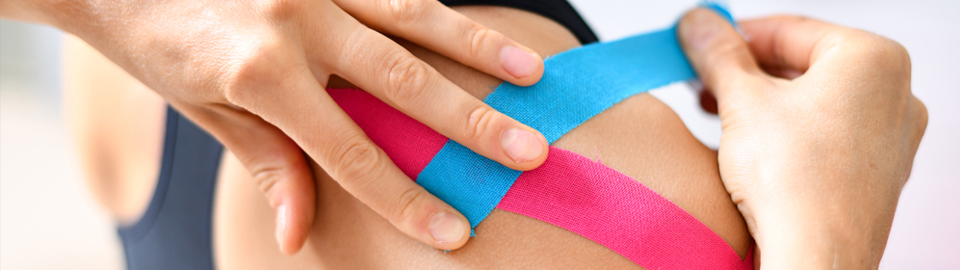
Sports physiotherapy supports people who want to keep training, return to sport safely after injury or improve their body’s tolerance to load over time. It is relevant for recreationally active individuals through to competitive athletes and focuses on the specific demands of your sport, your training schedule and the movements or workloads that tend to trigger symptoms.
At Evolve Physiotherapy, we work with active people from Howick and across East Auckland to develop practical and progressive rehabilitation plans. We begin by understanding what you need to return to, whether that is running, gym training, field or court sports, cycling, dance or another activity, and tailor treatment to match those demands.
Your assessment includes a detailed history and physical examination to identify the factors most likely contributing to your injury or performance limitation. This may involve strength testing, range-of-motion assessment, movement-control evaluation, and, where appropriate, sport-specific functional testing.
We also consider training load, how quickly it has changed and factors such as recovery, sleep and overall workload that can influence tissue tolerance. If your presentation suggests that imaging review or medical follow-up may be helpful, we will explain the reasoning and discuss appropriate next steps.
Sports physiotherapy typically combines symptom management with structured rehabilitation guided by how your body responds to progressive loading. Treatment and rehabilitation planning is sport-specific, as each sport places different physical demands on the body. Factors such as movement patterns, energy systems, contact and competition schedules are all considered when developing your programme. Hands-on techniques may be used where appropriate to support movement and reduce irritability, alongside a targeted exercise programme designed to restore capacity for your sport.
Rehabilitation commonly includes strengthening, power and control work, mobility where required and graded exposure to sport-specific drills. Where relevant, techniques are refined and load management strategies are implemented to reduce recurrence risk and support long-term performance. Programmes are adjusted according to your response rather than following fixed timelines, and digital home exercise support can be provided to guide progression between sessions.
If your injury is related to an accident, we can also discuss whether ACC support may apply.
Most athletes and active individuals benefit from a staged approach that reflects both their injury and their sport. While each plan is individual, rehabilitation commonly follows these steps
Clarifying the diagnosis, identifying contributing factors and setting realistic return-to-training goals.
Settling symptoms, restoring key movement and strength and maintaining general fitness where possible.
Rebuilding capacity through strength and conditioning progressions alongside sport-specific drills.
Planning a graded return, monitoring response and reducing recurrence risk through appropriate load management.
Where appropriate, we can work alongside your coach or trainer to keep rehabilitation and training plans aligned.
Our sports physiotherapy approach is structured, evidence-informed and matched to the demands of your activity. We prioritise clear explanations, practical programming and measurable progression where appropriate. Patients attending our Howick clinic from across East Auckland value a balanced approach that supports both recovery and long-term performance.
Sports physiotherapy focuses on preventing, assessing and treating injuries related to physical activity and sport. It supports safe return to training and competition through structured rehabilitation tailored to the demands of your sport.
Not always. Many injuries can be managed with modified training rather than complete rest. Your physiotherapist will advise on what to temporarily reduce or avoid, and on how to maintain fitness safely during rehabilitation.
A sports physiotherapy appointment includes a detailed history, physical assessment and, where appropriate, sport-specific testing. You will leave with a clear rehabilitation plan outlining load guidance, exercises and progression strategies.
Return-to-sport decisions are guided by symptom response, strength and control measures, functional testing where appropriate and tolerance to progressive training loads. The aim is a graded return that reflects the demands of your sport.
Sports rehabilitation is the structured process of rebuilding strength, capacity and confidence after injury so you can return to training and competition safely. Progression is guided by your response and the specific demands of your activity.


 09 273 3051