Musculoskeletal physiotherapy focuses on the assessment and treatment of pain and movement problems involving muscles, joints, tendons, ligaments and nerves. People commonly seek physiotherapy for back pain, knee pain, shoulder pain, neck-related headaches, arthritic joint stiffness and rehabilitation after surgery.
At Evolve Physiotherapy, we provide musculoskeletal physiotherapy for people in Howick and across East Auckland who want a clear understanding of their symptoms and a structured recovery plan. Our approach is evidence-informed and tailored to the individual, with a focus on restoring movement, building strength and supporting a safe return to everyday activity, work or sport.
Musculoskeletal physiotherapy begins with a detailed clinical assessment. We take time to understand your symptoms, what aggravates or eases them, your activity or training background and any relevant medical history before assessing how you move and how your body is currently tolerating load.
This process allows us to form a clear working understanding of what may be contributing to pain or limitation. Your appointment may include assessment of joint mobility, muscle strength, coordination and movement patterns relevant to your daily life or sport, with additional clinical tests used where appropriate to guide decision-making.
Many musculoskeletal conditions can be managed effectively without imaging, as clinical assessment often provides sufficient direction for early treatment. If your presentation suggests that imaging or GP input may be helpful, we will explain the reasoning and discuss options with you.
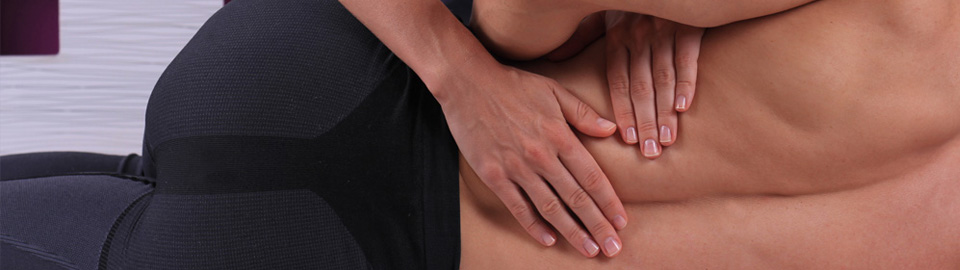
Treatment is tailored to your presentation, goals and stage of recovery. In the early stages, hands-on techniques may be used where appropriate to help restore movement and reduce symptom irritability, with the emphasis gradually shifting toward active rehabilitation and progressive loading as symptoms settle.
Your programme may include mobility work, strengthening exercises, movement retraining and guidance on activity modification, aiming to improve strength, tolerance and confidence over time rather than relying on short-term symptom relief. Where it adds value, we may use objective measures such as strength testing or movement review to track progress, and home exercise programmes can be provided digitally so you have clear guidance between appointments.
If your injury is related to an accident, we can also discuss whether ACC support may apply and, where appropriate, guide you through the process.
Most people find it helpful to have a clear plan that matches their stage of recovery. While each plan is individual, the process often follows these structured steps:
Understanding what is contributing to your symptoms and identifying the immediate treatment priorities.
Improving movement and tolerance for everyday activities as symptoms begin to settle.
Building strength and capacity through a progressive plan that aligns with your goals and lifestyle.
Supporting a gradual return to work, sport or meaningful activity, with strategies to manage flare-ups if they occur.
The pace and emphasis of each stage depend on your condition, how long symptoms have been present and your activity demands.
Our approach is thorough, practical and individualised. We prioritise clear explanations, realistic goal-setting and measurable progression where appropriate, and patients attending our Howick clinic from across East Auckland value a structured rehabilitation process that focuses on long-term improvement and confidence with movement.
Musculoskeletal physiotherapy treats pain and movement problems affecting muscles, joints, tendons, ligaments and nerves. It is commonly used for back pain, knee pain, shoulder injuries, neck-related headaches and rehabilitation following injury or surgery. Treatment combines clinical assessment with progressive rehabilitation tailored to your goals.
Most people do not need imaging before starting physiotherapy. A detailed clinical assessment often provides sufficient information to guide early management. If your presentation suggests imaging or medical review may be helpful, we will explain the reasoning and discuss appropriate next steps.
You do not need a GP referral to see a physiotherapist in New Zealand. You can book directly with our clinic. If your injury is accident-related, we can also discuss whether ACC support may apply and guide you through the process.
If your pain or injury is related to an accident, you may be eligible for ACC-funded physiotherapy. Eligibility depends on the nature of the injury and how it occurred. We can help clarify this during your appointment and explain how the ACC process works.
The number of sessions depends on the condition being treated, how long symptoms have been present and how your body responds to rehabilitation. After your initial assessment, we will outline a recommended plan and review timeframe so you understand what to expect.


 09 273 3051